2025. 7. 3. 21:32ㆍ식품도감
📘 마라란 무엇인가요?
- 명칭: 마라 (麻辣, má là)
- 원산지: 중국 사천성
- 정의: “마(麻)” – 얼얼함과 “라(辣)” – 매움이 결합된 강렬한 향신 풍미
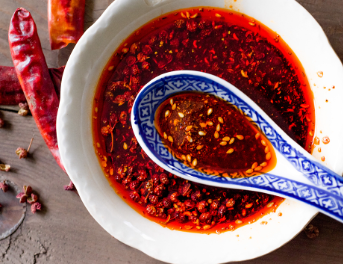
- 주재료:
- 화자오(사천 후추) – 얼얼한 감각
- 건고추 – 매운맛
- 고추기름, 마늘, 생강, 두반장(발효된 콩 고추장)
- 기타 향신료: 팔각, 계피, 정향, 카다몸, 월계수 잎 등
🌟 마라는 하나의 음식이 아니라, 중국 특히 사천 요리에서 널리 쓰이는 복합적이고 자극적인 풍미 조합입니다.
🌶 주요 구성 요소
| 사천 후추 (화자오) | 입안이 얼얼하게 마비되는 감각 유발 (마, 麻) |
| 건고추 | 뜨거운 매운맛 제공 (라, 辣) |
| 고추기름 | 향신료와 허브를 전달하는 기름 |
| 아로마틱 재료 | 마늘, 생강, 파 등 기본 향 |
| 향신료 | 팔각, 계피, 정향 등으로 향과 깊이 강화 |
| 발효장 | 두반장(콩 고추장) → 감칠맛과 농도 추가 |
🌱 풍미 프로파일
- 매움(辣): 고추와 고추기름에서 나옴
- 얼얼함(麻): 화자오에 함유된 하이드록시-알파-산쇼올 성분 때문
- 향: 강렬하고 향기롭고 연기 나는 향
- 맛: 맵고, 감칠맛 있으며, 얼얼하고, 복합적인 풍미
🔥 마라는 흔히 **“혀가 얼얼하게 불타는 맛”**으로 표현되며, 매운맛 마니아들에게 중독성 강한 맛입니다.
🍽️ 대표 마라 요리
🇨🇳 중국 사천·중경 요리에서 인기:
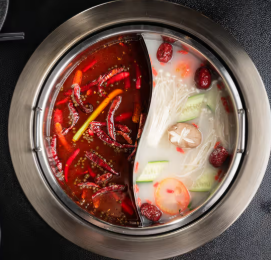
- 마라 훠궈 (麻辣火锅)
- 매운 육수에 고기, 야채, 두부 등을 넣어 끓여 먹는 샤브샤브
- 마라샹궈 (麻辣香锅)
- 국물 없는 볶음 스타일로 각종 재료를 마라소스로 볶음
- 라쯔지 (辣子鸡, 마라치킨)
- 닭고기를 튀긴 뒤 화자오와 고추로 볶은 매운 요리
- 마라면 / 마라두부 / 마라꼬치
- 분식, 길거리 간식으로도 인기
🧪 영양 정보 (조리 방식에 따라 다름)
| 열량 | 고추기름 사용량에 따라 보통~높음 |
| 단백질 | 고기/두부 등 재료에 따라 다름 |
| 지방 | 고추기름 비율에 따라 높을 수 있음 |
| 나트륨 | 두반장, 간장 등 사용 시 높을 수 있음 |
| 항산화 성분 | 마늘, 고추, 화자오 등에서 유래 |
💪 건강 관련 특성
✅ 장점:
- 캡사이신 덕분에 신진대사 촉진
- 향신료로 인해 소화 촉진 및 식욕 증진
- 마늘, 생강 등은 항균 작용 가능성
⚠️ 주의사항:
- 위장이 민감한 사람에겐 자극적일 수 있음
- 나트륨과 지방 함량이 높은 편 → 과다 섭취 주의
- 얼얼한 감각(화자오)을 호불호로 느끼는 사람도 있음
🥄 마라 활용법 및 요리 팁
- 마라 소스: 고추기름 + 화자오 + 마늘 + 두반장 등으로 직접 만들거나 시판 소스 사용
- 마라 파우더: 감자튀김, 꼬치, 팝콘 등에 뿌려 간편하게
- 마라 베이스: 훠궈 국물, 볶음용 소스로 사용 가능
🧑🍳 요리 팁:
- 매운맛과 얼얼함의 강도는 고추/화자오의 양으로 조절
- 설탕 또는 식초를 함께 사용하면 균형 잡힌 풍미 연출 가능
❄️ 보관 방법
- 마라 소스/페이스트: 개봉 후 냉장 보관
- 건조 향신료: 밀폐용기에 넣어 서늘하고 건조한 곳에 보관
- 유통기한:
- 수제: 냉장 기준 약 2주
- 시판 제품: 3~6개월 (라벨 확인)
🧾 요약
**마라(Mala)**는 중국 사천 요리를 대표하는 맛으로,
**매운 고추(辣)**와 **얼얼한 화자오(麻)**의 조합이 강렬하고 중독성 있는 풍미를 만들어냅니다.
훠궈, 볶음, 꼬치, 면요리 등에 널리 활용되며,
감칠맛과 매운맛을 좋아하는 사람들에게 인기 있는 향신료 베이스입니다.
(In English)
📘 What is Mala?
- Name: Mala (麻辣, má là)
- Origin: Sichuan Province, China
- Definition: A flavor profile characterized by numbing (麻, má) and spicy (辣, là) sensations
- Main Ingredients:
- Sichuan peppercorns (for the numbing effect)
- Dried red chili peppers (for heat)
- Chili oil, garlic, ginger, fermented bean paste (Doubanjiang)
- Optional: Star anise, cinnamon, cloves, cardamom, bay leaves
🌟 Mala isn't a single food item but a complex, aromatic, and intensely spicy-sensation used in Chinese cooking — especially in hot pots, stir-fries, noodles, and snacks.
🌶 Key Components
| Sichuan Peppercorn | Produces a tingling, mouth-numbing effect (麻, má) |
| Dried Chili Peppers | Provides heat and depth of spice (辣, là) |
| Oil (usually chili oil) | Medium to carry spices and herbs |
| Aromatics | Garlic, ginger, scallions for extra flavor |
| Spices | Star anise, cinnamon, fennel, clove for complexity |
| Fermented sauces | Doubanjiang (chili bean paste) adds umami |
🌱 Flavor Profile
- Spiciness (辣): From dried chili and chili oil
- Numbing (麻): From Sichuan peppercorns, which contain hydroxy-alpha-sanshool
- Aroma: Highly fragrant, smoky, and layered
- Taste: Spicy, savory, numbing, aromatic, slightly sweet
🔥 The numbing-and-hot combo makes mala addictive and exciting, often described as a “tingling fire” in the mouth.
🍽️ Common Mala Dishes
🇨🇳 Popular in Sichuan & Chongqing Cuisine:
- Mala Hot Pot (麻辣火锅)
- Spicy soup base with meats, vegetables, tofu, and dipping sauces
- Mala Xiang Guo (麻辣香锅)
- Dry stir-fry of meats and veggies tossed in mala oil
- Mala Chicken (辣子鸡)
- Fried chicken pieces with chili and Sichuan pepper
- Mala Noodles / Mala Tofu / Mala Skewers (串串)
- Street food-style spicy snacks and meals
🧪 Nutritional Highlights
(Note: varies depending on preparation)
| Calories | Moderate to high (depending on oil used) |
| Protein | Comes from meat/tofu in dishes |
| Fat | High if chili oil is used generously |
| Sodium | Often high due to fermented sauces |
| Antioxidants | From garlic, chili, Sichuan pepper |
💪 Health Considerations
✅ Benefits:
- Boosts metabolism via capsaicin in chilies
- May aid digestion and appetite due to spices
- Has antimicrobial effects (pepper, garlic, ginger)
⚠️ Cautions:
- Can cause irritation for sensitive stomachs
- High sodium and oil content in some preparations
- Numbing effect may not be pleasant for everyone
🥄 Mala at Home – Usage & Tips
- Mala Sauce: Can be purchased or made by blending chili oil, peppercorns, garlic, Doubanjiang
- Dry Mala Powder: Sprinkle on skewers, fries, or popcorn
- Mala Base: For hot pots or stir-frying meats and veggies
🧑🍳 Tip: Control heat by adjusting chili quantity and peppercorns; balance with sugar or vinegar for harmony.
❄️ Storage
- Mala paste or sauce: Refrigerate after opening
- Dried spices: Store in airtight containers in a cool, dry place
- Shelf Life:
- Homemade: ~2 weeks refrigerated
- Store-bought: Check labels (typically 3–6 months)
🧾 Summary
Mala is not a food, but a signature flavor of Sichuan cuisine—a thrilling blend of spicy heat and tingling numbness.
It features prominently in hot pots, stir-fries, skewers, and snacks, using Sichuan peppercorns, chili peppers, and aromatic spices.
Loved for its addictive flavor, mala offers boldness, warmth, and layered complexity, making it a favorite in spicy Asian cuisine worldwide.