2025. 6. 24. 21:28ㆍ식품도감/감미료
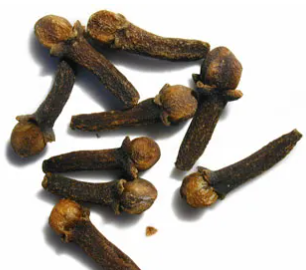

📘 개요
- 일반 명칭: 정향, 클로브
- 학명: Syzygium aromaticum
- 과: 도금양과 (Myrtaceae)
- 사용 부위: 말린 꽃봉오리
- 원산지: 인도네시아 몰루카 제도 (향신료 제도), 현재는 인도, 스리랑카, 마다가스카르, 탄자니아 등에서 재배
- 다른 이름: 라웅(Laung – 인도), 클루 드 지로플(Clou de girofle – 프랑스), 丁香 (중국어)
🔍 정향은 고대 향신료 무역에서 매우 귀중한 향신료였으며, 요리뿐만 아니라 방부제, 방취제, 치과용 진통제로도 사용되었습니다.
🌿 외형 및 풍미
- 형태: 작고 못 모양의 마른 꽃봉오리 (~1cm 길이)
- 색상: 짙은 갈색~흑갈색
- 향기: 강하고 달콤하며 따뜻하고 매콤한 향
- 맛 특징:
- 매우 향이 강함
- 따뜻하고 약간 쌉싸름하며 떫은맛
- 달콤하고 우디한(나무 향) 풍미
🌟 정향의 향과 효능의 중심은 **유제놀(Eugenol)**이라는 정유 성분으로, 전체 정유의 70~90%를 차지합니다.
🧪 영양 성분 (건조 정향 100g당)
※ 일반적으로 소량만 섭취되므로 참고용
| 열량 | 약 275 kcal |
| 탄수화물 | 약 65 g |
| 단백질 | 약 6 g |
| 지방 | 약 13 g |
| 식이섬유 | 약 34 g |
| 칼슘 | 약 630 mg |
| 철분 | 약 11 mg |
| 마그네슘 | 약 260 mg |
| 망간 | 약 60 mg (일일 권장량 2500% 이상) |
| 비타민 C | 약 22 mg |
| 항산화 성분 | 매우 풍부 – 모든 향신료 중 상위권 |
| 주요 정유 성분 | 유제놀, 유제닐아세테이트, β-카리오필렌 |
✅ 정향은 작지만 영양소와 항산화 물질이 매우 풍부한 향신료입니다.
💪 건강상 이점
✅ 1. 강력한 항산화 효과
- 활성산소 중화
- 염증과 세포 손상 완화에 기여
✅ 2. 자연 진통제
- 유제놀은 마취 및 통증 완화 작용이 있어 치통, 잇몸 통증에 사용됨
✅ 3. 항균 및 항바이러스
- 입 속 박테리아, 대장균, 곰팡이류 억제에 효과
- 구취 제거, 플라그 예방
✅ 4. 소화기계 지원
- 침 분비와 소화 효소 활성화
- 메스꺼움, 복부 팽만, 가스 완화
✅ 5. 혈당 조절 가능성
- 일부 연구에서 인슐린 민감성 개선에 도움 줄 수 있음
✅ 6. 항염 효과
- 관절염, 기관지염, 천식 등에 활용 가능
⚠️ 정향 오일은 고농축이므로 장기 사용 또는 과다 복용은 반드시 전문가 상담 필요
🍽️ 요리 활용
🌍 세계 요리에서:
- 인도 요리: 가람 마살라, 비리야니, 차이 마살라
- 중동: 향신료 혼합으로 고기, 쌀 요리에 사용
- 서양: 햄, 파이, 머핀, 뱅쇼(따뜻한 와인), 사과주
- 중국: 오향분(五香粉)의 주요 성분
- 아프리카/카리브해: 스튜, 마리네이드, 소스
활용 방식:
- 통 정향: 육수, 찜, 소스에 향을 우려내기 위해 사용
- 분말: 제과, 향신료 믹스, 고기 양념
- 정향 오일: 향료, 천연 약용, 화장품 등에 극소량 사용
🧑🍳 요리 팁: 향이 매우 강하므로 소량만 사용하는 것이 좋습니다.
☕ 정향차 만드는 법
- 정향 2~3개를 끓는 물 1컵에 넣음
- 5~10분간 약불로 끓이거나 우림
- 걸러서 꿀이나 레몬을 넣어 따뜻하게 마심
목 통증, 소화불량, 면역력 강화에 좋은 허브차입니다.
❄️ 보관 방법
- 밀폐 용기에 담아 서늘하고 건조한 곳에 보관
- 통 정향: 최대 2년까지 향 유지
- 분말: 6개월 이내 사용 권장
⚠️ 주의사항
- 정향 오일: 피부나 점막에 직접 바르면 자극 가능 → 희석 후 사용
- 지혈 영향: 과다 섭취 시 혈액 응고 억제 가능 – 수술 전후 섭취 주의
- 임산부, 수유부: 적당량은 괜찮지만 과량은 피해야 함
- 어린이: 정향 오일 직접 섭취 금지
🧾 요약
**정향(클로브)**은 강렬한 향과 항균, 진통, 항산화 효과로 오래전부터 음식과 의학에 사용된 향신료입니다.
소량으로도 요리의 풍미를 극대화하고, 치통 완화, 면역력 증진, 소화 개선 등의 효과도 기대할 수 있습니다.
다양한 요리 및 차, 천연 치료제로 활용되며, 적절한 사용 시 풍미와 건강을 동시에 챙길 수 있는 고급 향신료입니다.
(In English)
📘 Overview
- Common Name: Clove
- Scientific Name: Syzygium aromaticum
- Family: Myrtaceae
- Part Used: Dried flower buds
- Origin: Native to the Maluku Islands (Indonesia), now widely cultivated in India, Sri Lanka, Madagascar, and Tanzania
- Other Names: Laung (India), Clou de girofle (French), 丁香 (dīngxiāng – Chinese)
🔍 Cloves were among the most prized spices in ancient trade and were used in both cooking and as a preservative, antiseptic, and even currency.
🌿 Appearance & Flavor
- Shape: Small, nail-like dried flower buds (~1 cm long)
- Color: Dark brown to black
- Aroma: Strong, sweet, warm, and spicy
- Taste Profile:
- Intensely aromatic
- Warm, slightly bitter and astringent
- Sweet, peppery, and woody undertones
🌟 The dominant flavor comes from eugenol, an essential oil that makes up ~70–90% of clove’s volatile oils.
🧪 Nutritional Value (Per 100g dried cloves)
(Note: Typically consumed in small amounts)
| Calories | ~275 kcal |
| Carbohydrates | ~65 g |
| Protein | ~6 g |
| Fat | ~13 g |
| Fiber | ~34 g |
| Calcium | ~630 mg |
| Iron | ~11 mg |
| Magnesium | ~260 mg |
| Manganese | ~60 mg (over 2500% DV!) |
| Vitamin C | ~22 mg |
| Antioxidants | Extremely rich — among the highest of all spices |
| Essential Oils | Eugenol, eugenyl acetate, β-caryophyllene |
✅ Cloves are small but packed with nutrients and powerful antioxidant compounds.
💪 Health Benefits
✅ 1. Strong Antioxidant Power
- Neutralizes free radicals
- May reduce oxidative stress and inflammation
✅ 2. Natural Pain Reliever
- Eugenol has numbing properties — traditionally used for toothaches and sore gums
✅ 3. Antibacterial & Antiviral
- Effective against oral bacteria, E. coli, and some fungi
- May help freshen breath and prevent dental plaque
✅ 4. Digestive Support
- Stimulates saliva and digestive enzymes
- Used to relieve nausea, bloating, and gas
✅ 5. Blood Sugar Control
- Some studies suggest cloves may help regulate insulin sensitivity
✅ 6. Anti-inflammatory
- Useful in joint pain and respiratory conditions like asthma or bronchitis
⚠️ High doses of clove oil or long-term use should be avoided without medical advice.
🍽️ Culinary Uses
🌍 Global Cuisine:
- Indian: Garam masala, biryani, chai masala
- Middle Eastern: Spice mixes for meats and rice
- Western: Used in baked goods, hams, cider, and mulled wine
- Chinese: Ingredient in five-spice powder
- African & Caribbean: Marinades, stews, and sauces
Uses:
- Whole cloves: For infusing (soups, teas, sauces)
- Ground cloves: For baking, spice blends, rubs
- Clove oil: Used sparingly in flavorings, natural remedies, and cosmetics
🧑🍳 Tip: Use sparingly — cloves can overpower dishes easily!
☕ How to Make Clove Tea
- Add 2–3 whole cloves to a cup of boiling water
- Simmer for 5–10 minutes
- Strain and enjoy with honey or lemon
Great for sore throat, indigestion, and boosting immunity.
❄️ Storage Tips
- Store in airtight containers in a cool, dry place
- Whole cloves last up to 2 years
- Ground cloves are best used within 6 months
⚠️ Precautions
- Clove oil is potent — can irritate skin and mucous membranes if undiluted
- May interfere with blood clotting — avoid large amounts before surgery
- Pregnant or nursing women should use cloves in moderation
- Children: Clove oil should not be given directly
🧾 Summary
Cloves are aromatic flower buds with strong flavor, powerful antioxidants, and a variety of traditional medicinal uses.
Whether enhancing a savory biryani, spicing up a warm cider, or soothing a sore tooth, cloves are a versatile spice with centuries of culinary and health heritage.
'식품도감 > 감미료' 카테고리의 다른 글
| 189. 마라 재료 7 - 월계수잎(Bay Leaf) (8) | 2025.07.03 |
|---|---|
| 188. 마라 재료 6 - 큐민(Cumin) (5) | 2025.06.24 |
| 186. 마라 재료 4 - 회향(Fennel Seed) (1) | 2025.06.24 |
| 185. 마라 재료 3 - 팔각(Star Anise) (7) | 2025.06.23 |
| 184. 마라 재료 2 - 청화자오(청산초)(Sichuan pepper(Green)) (0) | 2025.06.23 |