2025. 7. 3. 20:52ㆍ식품도감/감미료

📘 개요
- 일반 명칭: 베이리프, 월계수잎
- 학명: Laurus nobilis
- 과: 월계수과 (Lauraceae)
- 사용 부위: 생잎 또는 건조 잎
- 원산지: 지중해 지역
- 다른 이름: 로렐 잎, 테즈파타(Tejpatta – 인도), 로리에 잎(Feuille de laurier – 프랑스)
🌟 *인도 베이리프(Cinnamomum tamala)*는 향과 식물 종류가 다르며, 더 강한 계피향을 지닌 다른 식물입니다.
🌱 외형 및 풍미
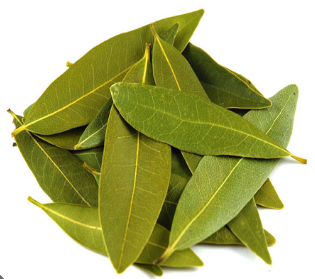
- 형태: 길고 타원형, 끝이 뾰족한 잎 (~5–8cm)
- 색상: 생잎 – 진녹색 / 건조 – 올리브그린 ~ 갈색
- 향기: 은은하고 허브 향, 약간 플로럴
- 맛 특징:
- 약간 쌉싸름함
- 우디하고 민트 느낌
- 국물이나 찜 요리에 깊은 풍미와 복합적인 맛을 더함
🧪 베이리프는 천천히 향을 내는 향신료로, 통째로 넣고 요리 후 제거하는 것이 일반적입니다.
🧪 영양 성분 (건조 베이리프 100g 기준)
※ 실제 사용량은 매우 적어 미미한 수준
| 열량 | 약 313 kcal |
| 탄수화물 | 약 75 g |
| 단백질 | 약 8 g |
| 지방 | 약 8 g |
| 식이섬유 | 약 26 g |
| 칼슘 | 약 834 mg |
| 철분 | 약 43 mg |
| 마그네슘 | 약 120 mg |
| 비타민 A | 약 6185 IU |
| 비타민 C | 약 46 mg |
| 항산화 성분 | 유제놀, 시네올, 리날룰, 플라보노이드 |
✅ 베이리프는 항산화 및 미네랄이 풍부하나, 섭취량이 적어 실질 영양소 섭취는 미량입니다.
💪 건강상의 이점
✅ 1. 소화 기능 개선
- 전통적으로 소화불량, 가스, 복부 팽만 완화에 사용
- 소화 효소 분비 자극
✅ 2. 항산화 및 항염 작용
- 유제놀과 플라보노이드가 세포 손상을 줄이고 염증 억제에 도움
✅ 3. 항균 작용
- 천연 정유가 특정 세균의 성장을 억제할 수 있음
✅ 4. 혈당 및 심혈관 건강 (초기 연구)
- 동물 실험에서 혈당 조절 및 콜레스테롤 개선 효과 제시
☕ 베이리프 차는 전통적으로 소화기, 호흡기, 면역 증진에 사용됩니다.
🍽️ 요리 활용
🌍 세계 요리:
- 유럽: 수프, 스튜, 소스, 육수 (ex. 부케가르니)
- 인도: 비리야니, 커리, 찻 향신료 (인도 베이리프 사용)
- 카리브해: 저크 양념, 콩 요리, 쌀 요리
- 중동: 양고기 찜, 렌틸 스튜 등
일반 사용법:
- 통잎 상태로 스튜, 국, 육수에 넣고 요리 후 제거
- 피클, 마리네이드, 우유 또는 차에 우려내기 등에도 활용
- 향신료로 차나 허브 우유에 사용 가능
🧑🍳 팁: 20~30분 이상 끓이면 향이 잘 우러나며, 사용 전 살짝 부수면 향이 더 강하게 배어납니다.
☕ 베이리프 차 (간단한 레시피)
- 건조 베이리프 1장을 끓는 물 1컵에 넣음
- 5~10분간 끓이거나 우림
- 걸러서 따뜻하게 마심 (꿀이나 레몬 추가 가능)
소화불량, 감기 증상, 스트레스 완화에 효과적입니다.
❄️ 보관 팁
- 밀폐 용기에 담아 서늘하고 빛이 없는 곳에 보관
- 건조 베이리프: 12개월 이내 사용 시 향이 가장 좋음
- 생잎: 냉동 보관 가능 (장기 보관용)
⚠️ 주의사항
- 반드시 통잎 상태로 사용하고, 섭취 전 제거해야 함 (질기고 삼킴 위험)
- 과량 섭취 시 위를 자극할 수 있음
- 임신 중: 일반 요리 수준에서는 안전하나, 의학적 사용은 전문가와 상담 필요
🧾 요약
**베이리프(월계수잎)**는 향이 은은하면서도 깊은 풍미를 더하는 전통 향신료입니다.
스튜, 수프, 찜, 육수 요리에 주로 사용되며, 소화, 항산화, 항염 효과도 기대할 수 있습니다.
제대로 활용하면 요리의 향과 맛을 한층 더 고급스럽게 완성시킬 수 있는 천연 허브입니다.
(In English)
📘 Overview
- Common Name: Bay Leaf
- Scientific Name: Laurus nobilis
- Family: Lauraceae (laurel family)
- Part Used: Dried or fresh leaves
- Origin: Native to the Mediterranean region
- Other Names: Laurel leaf, Tejpatta (India), Feuille de laurier (French)
🌟 Not to be confused with Indian bay leaf (Cinnamomum tamala), which has a stronger cinnamon-like flavor and comes from a different plant.
🌱 Appearance & Flavor
- Shape: Long, oval, pointed leaves (~5–8 cm)
- Color: Fresh: dark green | Dried: olive green to brown
- Aroma: Subtle, herbal, floral
- Taste Profile:
- Mildly bitter
- Woody, slightly minty
- Adds complexity and depth when simmered in liquids
🧪 Bay leaves release flavor slowly during cooking — best used whole and removed before serving.
🧪 Nutritional Value (Per 100g dried leaves)
(Note: only small amounts are used in cooking)
| Calories | ~313 kcal |
| Carbohydrates | ~75 g |
| Protein | ~8 g |
| Fat | ~8 g |
| Fiber | ~26 g |
| Calcium | ~834 mg |
| Iron | ~43 mg |
| Magnesium | ~120 mg |
| Vitamin A | ~6185 IU |
| Vitamin C | ~46 mg |
| Antioxidants | Eugenol, cineole, linalool, flavonoids |
✅ Bay leaves are rich in antioxidants and minerals, although only trace nutrients are consumed due to minimal usage.
💪 Health Benefits
✅ 1. Digestive Support
- Traditionally used to relieve indigestion and bloating
- May help stimulate digestion and reduce flatulence
✅ 2. Antioxidant & Anti-inflammatory
- Contains eugenol and flavonoids that protect cells from damage
- May reduce inflammation in the body
✅ 3. Antibacterial Properties
- Natural essential oils may help inhibit certain bacteria
✅ 4. Blood Sugar & Heart Health (preliminary studies)
- May help regulate blood sugar and improve cholesterol levels in animal studies
☕ Bay leaf tea is used in traditional remedies for respiratory and digestive issues.
🍽️ Culinary Uses
🌍 Global Cuisine:
- European: Soups, stews, sauces, stocks (e.g., bouquet garni)
- Indian: Biryani, curries, masala chai (using Indian bay leaf)
- Caribbean: Jerk marinades, beans, rice dishes
- Middle Eastern: Braised lamb, lentil stews
Common Uses:
- Added whole to soups, stews, broths, and removed before eating
- Used in pickling, braising, and marinades
- Infused in tea or milk for herbal remedies
🧑🍳 Tip: Simmer for at least 20–30 minutes to extract full flavor; crushing slightly before use can enhance aroma.
☕ Bay Leaf Tea (Simple Recipe)
- Add 1 dried bay leaf to 1 cup boiling water
- Simmer 5–10 minutes
- Strain and enjoy with honey or lemon (optional)
Helps relieve bloating, colds, and stress.
❄️ Storage Tips
- Store dried bay leaves in an airtight container away from light
- Best used within 12 months for maximum aroma
- Fresh bay leaves can be frozen for long-term use
⚠️ Precautions
- Use whole leaves only — do not eat them directly as they remain tough and can pose a choking hazard
- Excessive intake (especially in supplements) may irritate the stomach
- Pregnancy: Considered safe in culinary amounts, but consult a doctor for medicinal use
🧾 Summary
Bay leaves are a classic culinary herb known for their subtle yet distinctive aromatic depth.
While they contain many antioxidant and anti-inflammatory compounds, they’re primarily valued for flavoring soups, stews, and sauces.
Used correctly, bay leaves enhance both the taste and aroma of slow-cooked dishes.
'식품도감 > 감미료' 카테고리의 다른 글
| 191. 마라 재료 9 - 육두구(Nutmeg) (5) | 2025.07.03 |
|---|---|
| 190. 마라 재료 8 - 계피(Cinnamon) (0) | 2025.07.03 |
| 188. 마라 재료 6 - 큐민(Cumin) (5) | 2025.06.24 |
| 187. 마라 재료 5 - 정향(Clove) (2) | 2025.06.24 |
| 186. 마라 재료 4 - 회향(Fennel Seed) (1) | 2025.06.24 |