2025. 7. 3. 21:21ㆍ식품도감/감미료

📘 개요
- 일반 명칭: 칠리빈소스, 두반장(豆瓣醬), 토반장(Toban Djan – 광동식 발음), 辣豆瓣酱 (라도우반장)
- 원산지: 중국 사천성
- 유형: 발효 양념
- 주요 재료: 넓은콩(또는 대두), 고추, 소금, 밀가루, 발효된 된장
- 풍미 특성: 맵고 짭짤하며 감칠맛이 풍부하고 강한 발효향
🌟 칠리빈소스는 **“사천 요리의 혼”**이라고 불릴 정도로, 진한 맛과 매운맛을 더해주는 핵심 양념입니다.
🌿 주요 특징
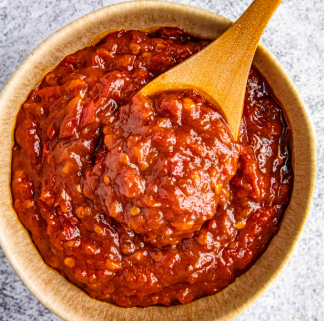
- 질감: 거칠고 진한 페이스트 형태
- 색상: 진한 적갈색
- 맛:
- 짭짤하고 발효된 깊은 풍미
- 고추의 매콤함
- 숙성된 콩의 강한 감칠맛
- 복합적이며 약간의 시큼함이 있음
- 발효 기간: 수개월에서 수년에 걸쳐 숙성됨 → 깊고 진한 맛
🧪 영양 성분 (1큰술, 약 15g 기준 / 제품에 따라 다름)
| 열량 | 약 25 kcal |
| 탄수화물 | 약 2 g |
| 단백질 | 약 1 g |
| 지방 | 약 2 g |
| 나트륨 | 약 700~1000 mg (매우 높음) |
| 식이섬유 | 소량 |
| 기타 영양소 | 철분, 비타민 B군 소량 함유 (발효 과정에서 생성됨) |
⚠️ 나트륨 함량이 매우 높기 때문에, 고혈압 또는 저염 식단이 필요한 경우 섭취에 주의가 필요합니다.
💪 건강 관련 특징
✅ 1. 풍부한 감칠맛 (우마미)
- 천연 발효로 인해 깊은 풍미 형성
- MSG 없이도 강한 맛을 낼 수 있음
✅ 2. 발효의 이점
- 유익한 효소 및 미생물 성분 포함
- 소화 및 영양 흡수에 도움 가능 (김치와 유사한 발효 효과)
✅ 3. 식욕 촉진
- 매운맛과 강한 향이 침 분비를 유도하고 식욕 증진에 도움
🍽️ 요리 활용
🌍 활용 지역:
- 중국 사천 요리: 마파두부, 회과육 등
- 광동 요리: 볶음요리, 조림요리
- 일본/한국 퓨전 요리: 라멘 소스, 매콤한 덮밥류 등
대표 요리:
- 마파두부: 고기와 두부를 두반장으로 볶아 만든 대표적 사천요리
- 훠궈(중국식 샤브샤브): 국물 베이스 또는 소스로 활용
- 볶음요리: 각종 채소, 해산물, 고기에 감칠맛과 매운맛을 더함
- 면 요리 및 국물 요리: 매콤하고 깊은 맛을 내는 데 활용
🧑🍳 요리 팁: ½~1큰술만 사용해도 충분한 풍미를 낼 수 있음
🥄 사용법 요약
- 기름에 먼저 볶기 → 향이 극대화됨
- 마늘, 생강, 간장 등과 함께 조리하면 풍미 레이어 형성
- 굴소스, 호이신소스 등과 혼합하면 더욱 깊은 맛
❄️ 보관 방법
- 개봉 전: 서늘하고 건조한 곳 보관
- 개봉 후: 밀폐 용기에 담아 냉장 보관
- 유통기한:
- 미개봉: 1~2년
- 개봉 후: 냉장 보관 시 약 6개월
🧾 요약
**칠리빈소스(두반장)**는 중국 사천 요리의 핵심 양념으로, 발효 콩과 고추의 조합을 통해 짭짤하고 매운 감칠맛을 선사합니다.
볶음요리, 찌개, 면, 밥 요리 등에 활용되어 깊고 풍부한 맛을 낼 수 있으며, 발효의 건강 효능도 기대할 수 있습니다.
단, 나트륨 함량이 매우 높으므로 소량 사용이 권장됩니다.
동양 요리 애호가라면 꼭 갖춰야 할 만능 양념입니다!
(In English)
📘 Overview
- Common Names: Chili Bean Sauce, Doubanjiang, Toban Djan (Cantonese), 辣豆瓣酱 (là dòu bàn jiàng)
- Origin: Sichuan, China
- Type: Fermented condiment
- Main Ingredients: Broad beans (or soybeans), chili peppers, salt, wheat flour, fermented soybean paste
- Flavor Profile: Spicy, salty, umami-rich, pungent, and slightly earthy
🌟 Often called the “soul of Sichuan cuisine,” chili bean sauce adds intense flavor, color, and heat to a wide range of dishes.
🌿 Key Characteristics
- Texture: Thick, coarse paste
- Color: Deep reddish-brown
- Taste:
- Salty and fermented
- Spicy from chili peppers
- Rich umami from aged beans
- Complex and bold with a slight tang
- Fermentation Time: Typically fermented for months to years, enhancing depth and flavor
🧪 Nutritional Information (Per 1 tablespoon / ~15g)
(Note: Nutritional values can vary by brand)
| Calories | ~25 kcal |
| Carbohydrates | ~2 g |
| Protein | ~1 g |
| Fat | ~2 g |
| Sodium | ~700–1000 mg (very high) |
| Fiber | Trace amounts |
| Other Nutrients | Small amounts of iron, B vitamins from fermentation |
⚠️ Very high in sodium – use in moderation, especially for those with hypertension or salt-sensitive diets.
💪 Health Aspects
✅ 1. Rich in Umami
- Enhances flavor without adding MSG
- Deep savory taste due to natural fermentation
✅ 2. Fermentation Benefits
- Contains beneficial enzymes and microbial compounds
- May aid digestion and nutrient absorption (similar to other fermented foods)
✅ 3. Stimulates Appetite
- The spicy, pungent flavor helps boost appetite and stimulate salivation
🍽️ Culinary Uses
🌍 Popular In:
- Sichuan cuisine (e.g., Mapo tofu, twice-cooked pork)
- Cantonese cuisine (used in stir-fries, braised dishes)
- Japanese and Korean fusion cooking (Toban Djan in ramen broth, sauces)
Common Dishes:
- Mapo Tofu: A classic dish featuring tofu, minced meat, and chili bean sauce
- Hot Pot Base: Used as a flavorful base or dipping sauce
- Stir-Fries: Adds depth to vegetables, meats, and seafood
- Noodle Sauces & Soups: For spicy, umami-rich flavor
🧑🍳 Tip: A small amount goes a long way – start with ½ to 1 tablespoon.
🥄 How to Use
- Sauté it in oil at the beginning of cooking to release aroma
- Combine with garlic, ginger, and soy sauce for a flavorful stir-fry base
- Mix with other sauces like hoisin or oyster sauce for layering flavor
❄️ Storage Tips
- Unopened: Store in a cool, dry place
- Opened: Keep refrigerated in an airtight jar
- Shelf Life:
- Unopened: 1–2 years
- Opened: Up to 6 months in the fridge
🧾 Summary
Chili Bean Sauce is a bold, spicy, and umami-rich condiment central to many East Asian dishes, especially in Sichuan cuisine.
Made from fermented beans and chili peppers, it brings depth, heat, and complexity to stir-fries, soups, and braised dishes.
It’s a pantry essential for those who enjoy spicy and savory flavors — but should be used sparingly due to its high salt content.
'식품도감 > 감미료' 카테고리의 다른 글
| 192. 마라 재료 10 - 카다몸(Cadamom) (0) | 2025.07.03 |
|---|---|
| 191. 마라 재료 9 - 육두구(Nutmeg) (5) | 2025.07.03 |
| 190. 마라 재료 8 - 계피(Cinnamon) (0) | 2025.07.03 |
| 189. 마라 재료 7 - 월계수잎(Bay Leaf) (8) | 2025.07.03 |
| 188. 마라 재료 6 - 큐민(Cumin) (5) | 2025.06.24 |